Wineries Offering Private Events - Scenic Wineries Of Sebastopol
Off The Beaten Path Wineries In Sonoma - Sonoma Wine Tasting Recommendations
Visiting a winery for a wine tasting can be a fascinating experience, particularly when you perceive how to maximise the chance with tasting notes. These notes serve as a guide to understanding the complexities of the wines you sample and assist in forming a deeper reference to every pour. Using tasting notes can remodel your experience, permitting you to savor not simply the style but additionally the story behind every bottle.
Each wine has a unique profile influenced by grape variety, terroir, and winemaking techniques. Understanding these components can improve your appreciation of the wine. When you might be given a tasting menu or a flight of wines to pattern, take the time to learn via any descriptions provided (Wineries With Sustainable Practices). This preliminary overview can set the tone and expectations on your tasting experience.
Start your wine tasting by observing the wine in your glass. The shade can reveal so much in regards to the wine’s age and varietal. Take notes on the hue, clarity, and viscosity. A well-structured tasting note often includes this visible evaluation because it forms the inspiration of your evaluation. While it may seem trivial, the visual aspect is essential in wine tasting.
Local Favorite Wineries In Sonoma - Sebastopol Wine Country Vineyards Adventure
After your visual assessment, it is time to take a gentle whiff. Swirl the wine in your glass to aerate it, releasing its aroma. This is where tasting notes turn out to be notably useful. Make notes about the different scents you detect—fruits, spices, or floral hints. Figuring Out these aromas will allow you to put words to the intrinsic complexities of the wine you are sampling.
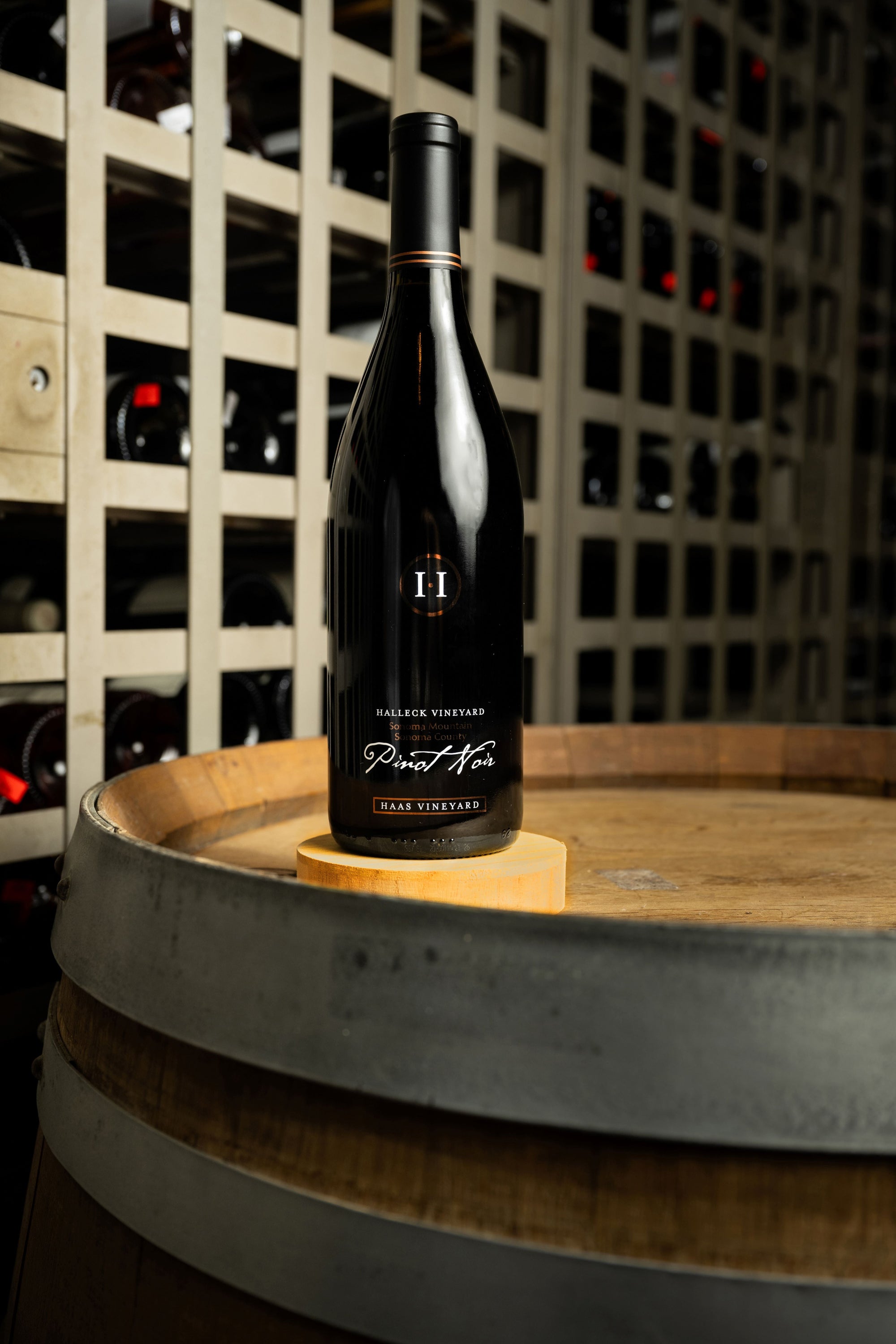
The next crucial step is the tasting itself. Take a small sip and let the wine roll over your palate. Note the flavors you experience. Are they candy or tart? Where does your palate detect every flavor? Some wines might present quick sweetness adopted by a tannic finish. Use your tasting notes to document these layers, creating a roadmap of your sensory experience.
Think About additionally the mouthfeel of the wine as you style. Is it smooth, crisp, creamy, or maybe tannic? This textural high quality significantly influences the overall enjoyment and impression of the wine. Observing the mouthfeel can reveal the quality and craftsmanship behind the winemaking course of.
It Is helpful to check totally different wines as you taste them. If you're sampling a flight with contrasting varietals, make a note of the differences you perceive. How does the acidity range from one wine to another? Which wine feels fuller, and which is extra refreshing? This comparative train deepens your understanding and helps sharpen your analytical skills.
Wineries Showcasing Local Art And Crafts - Sebastopol's Best Wine Trails

Have Interaction with the winery workers while tasting. Educated hosts typically share insights about the vineyard's history, the particular vintage, or the winemaking philosophy, enriching your appreciation of the wine. Don't hesitate to ask questions that pique your interest based mostly on your tasting notes. Many hosts take pleasure in discussing their wines and can supply a wealth of information that isn’t available from printed supplies. Wineries Known For Their Beautiful Gardens.
Hold in thoughts the seasonality of wines as you taste. Completely Different wines evoke varied moods and pair nicely with distinct culinary experiences. Take notes on how you may get pleasure from a particular wine with food. This not only adds context to your tasting notes but in addition aids future choices and purchases.

One Other useful tip whereas using tasting notes at a winery is to record your impressions instantly. As wines can blend and create browse around these guys a uniform flavor memory, jotting down your thoughts promptly ensures a more correct reflection of your experience. Use adjectives that resonate with you, crafting a private vocabulary to describe each wine primarily based on your preferences.
After completing the tasting, evaluation the notes you’ve taken. Mirror on which wines stood out to you and why. This reflection reinforces your tasting experience and highlights what you might seek in future purchases. official website If you've got noted particular aromas or flavors that captivated you, this information empowers you to choose out wines that align together with your palate.
Small Batch Wineries In Sonoma Valley - Vineyard Tours In Sebastopol
Wine tasting can even function a chance for socializing. Sharing your tasting notes with companions can ignite partaking discussions on flavors, preferences, and impressions. This communal side of wine tasting typically enhances the experience, cementing lasting memories that you could recall with a cup of wine in hand.
In conclusion, utilizing tasting notes at a winery wine tasting can considerably enhance your experience. By observing the visual elements, aromas, flavors, mouthfeel, and even the tales behind the wines, you create a rich tapestry of notes that can guide your future wine experiences. Engaging with the staff, comparing wines, and reflecting on your impressions will deepen your appreciation for the art of winemaking. Every tasting is a chance to discover and connect with wines in exciting new methods. With practice, your tasting notes will evolve, turning into a cherished component of your wine journey.
Celebrated Winemakers To Discover In Sonoma - Enjoying The Best Wineries In Sebastopol
&origin=Tourism+Marketing+-+Travel+Business+Success,1620+Mariner+Drive,+Sebastopol&travelmode=bicycling" width='800' height='600'>winery
- Start by familiarizing yourself with the winery's tasting notes; they often describe the wine’s aroma, flavor profile, and finish, offering a useful framework.
- Use your senses of sight and odor earlier than tasting; swirl the wine in your glass, observe its color, and inhale its bouquet to seize the wine's preliminary traits.
- When tasting, take a small sip and let the wine coat your palate; focus on the primary flavors and any secondary notes that may emerge, such as fruit, spice, or earthiness.
- Pay consideration to the feel and mouthfeel of the wine; is it smooth, tannic, creamy, or crisp? This aspect can considerably improve your understanding of the wine.
- Examine the tasting notes with your sensory experience, noting any similarities or discrepancies, which might deepen your appreciation of every wine’s complexity.
- Think About the wine’s aging potential by analyzing its construction and stability; some wines could also be gratifying now, whereas others may evolve fantastically over time.
- Take notes in the course of the tasting; recording your impressions might help you remember every wine better and refine your palate for future tastings.
- Have Interaction with the tasting employees; ask questions about the wine manufacturing course of, grape varieties, and the specific notes you are detecting to reinforce your data and experience.
- Discover pairing suggestions alongside your tasting; understanding which meals complement the wine can enrich both the tasting experience and your appreciation for the wine's nuances.
- Respect various preferences among your group; wine tasting is subjective, and inspiring open dialogue about individual tastes can result in a more gratifying and informative experience.undefinedWhat are tasting notes, and why are they essential at a wine tasting?undefinedTasting notes are descriptions of the flavors, aromas, and overall impressions of a wine. They are essential as a result of they guide your palate and enhance your understanding of the wine's traits, helping you respect different varieties and styles.
How ought to I take notes during a wine tasting?undefinedYou should concentrate on key parts such as aroma, flavor, body, acidity, and end. Use a structured format or template to categorize your thoughts and write down your impressions instantly after tasting. This helps you remember your ideas later.
Can I use my own words to explain a wine, or should I stick to plain tasting terms?undefinedYou can completely use your personal words to explain a wine. While normal tasting phrases can help convey specific qualities, personal descriptors add authenticity to your notes and might make your wine experience more pleasant and relatable.
Ought To I give attention to particular flavors within the wine or the overall experience?undefinedBoth features are important. While particular flavors allow you to identify the unique traits of a wine, the general experience encompasses how all elements combine—creating a more holistic understanding of the wine.
Hidden Gem Wineries In Sonoma County - Greatest Wine Tasting Locations In Sonoma
What if I cannot identify certain aromas or flavors throughout a tasting?undefinedIt’s frequent to have problem figuring out specific tastes or scents. Don’t hesitate to ask for assist or guidance from the employees at the winery. They can present insights and assist refine your palate over time via practice.
How can I use tasting notes to choose wines within the future?undefinedBy reviewing your tasting notes, you can identify your preferences and developments in your wine choices. This permits you to select wines that align with your palate in future tastings and purchases, making your experience more pleasant.
Is it appropriate to check wines throughout a tasting?undefinedSure, comparing wines can be beneficial. It helps highlight the variations in flavor profiles and attributes, permitting you to develop a deeper appreciation and understanding of each wine's unique qualities.
What should I do if I disagree with the tasting notes offered by the winery staff?undefinedDisagreement is a natural part of wine tasting! Use it as an opportunity to debate your impressions with the workers; they can present further context or details about the wine, which can enrich your experience.
Family-Friendly Wineries Near Sebastopol - A Visit To Sebastopol Wineries
How ought to I organize my tasting notes after the event?undefinedAfter the tasting, manage your notes by wine sort, producer, or personal preference. Contemplate creating a digital or bodily journal which could be referenced for future tastings and wine selections, making it simpler to recall your experiences.